Sponsored article
How Service Access and Spare Parts Availability Affect the Uptime of Prize Machines
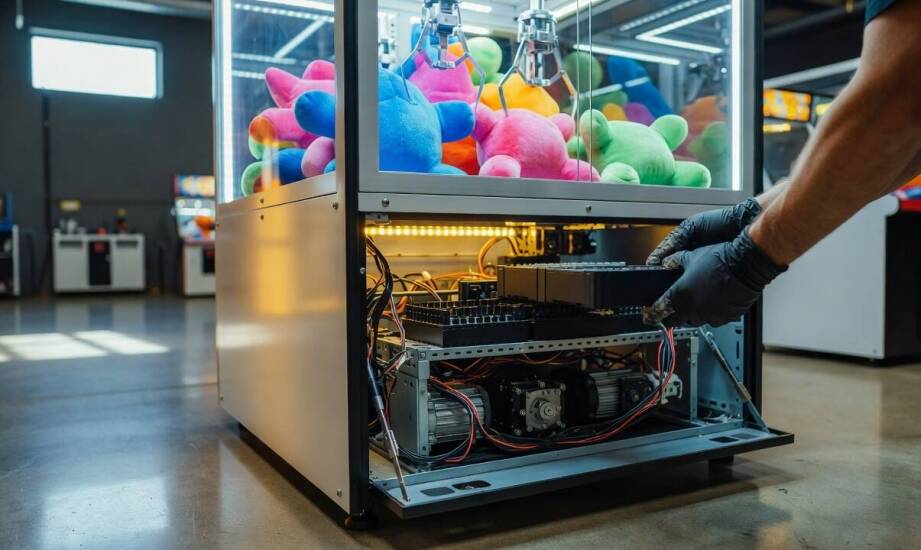
Downtime of a single amusement machine in a busy arcade highlights a fundamental operational challenge. For operators, the real cost is often not the repair itself or the replacement component, but the revenue lost while the machine remains unavailable. Owners of Family Entertainment Centers quickly discover that consistent uptime depends largely on efficient service logistics and reliable access to spare parts.
Even the most profitable attraction loses value if essential replacement components are unavailable when needed. A well-organised maintenance strategy helps minimise unexpected interruptions while maximising the profitability of the entire machine fleet.
How Modular Design Simplifies Component Replacement
The speed at which equipment can be returned to operation depends heavily on its internal architecture.
A modular design with easy access to key components allows technicians to replace parts quickly without dismantling the entire machine. Modern systems often use plug-and-play connections and removable modules, reducing the time required for diagnostics and repairs. Integrated diagnostic tools further help technicians identify faults accurately while minimising the risk of damaging neighbouring components during maintenance.
From an operational perspective, some mechanisms require more frequent attention than others. Ticket dispensers, for example, are among the components most exposed to wear because of continuous mechanical movement. In high-traffic environments, belts, rollers, sensors, and dispensing mechanisms should be inspected regularly to ensure smooth operation.
Accumulated dust and paper debris can lead to jams that interrupt prize payouts, frustrate players, and negatively affect the guest experience.
The Impact of Software and Remote Diagnostics on Repair Times
The presence of advanced software fundamentally changes how operators approach fault detection.
Machines equipped with modern management systems can generate detailed error codes and event histories when issues occur. These records may include operational cycles, component temperatures, and unusual electrical loads, helping technicians identify the root cause more efficiently.
Older machines often require manual troubleshooting and visual inspection, which can prolong repair times. By contrast, modern sensors integrated with control boards can quickly indicate whether the issue involves a motor, a sensor, or another subsystem.
Remote support capabilities offer additional advantages. Firmware updates may help address known software issues, while telemetry modules can transmit machine-status information in real time.
As a result, technicians can arrive on-site with the correct replacement parts and a clear understanding of the problem. This significantly improves repair efficiency and helps reduce machine downtime.
Modern arcade operators increasingly rely on integrated management systems and prize redemption machines that support diagnostics, maintenance planning, and operational monitoring within a single ecosystem.
Maintenance Planning for Different Types of Entertainment Centres
Each type of entertainment venue requires a maintenance strategy tailored to its operating model.
Seasonal facilities typically benefit from comprehensive inspections before peak visitor periods begin. Tasks such as checking belts, cleaning ticket paths, and testing sensors can help identify potential issues before visitor traffic increases.
Year-round venues face a different challenge. Continuous operation places ongoing stress on machines, making shorter inspection intervals and regular cleaning schedules essential. Even small amounts of contamination on moving components can eventually lead to more serious mechanical failures.
Data analysis also plays a crucial role in maintenance planning. Service records, error histories, and replacement dates provide valuable information for predicting future maintenance needs.
By analyzing machine usage and performance trends, operators can identify components likely to require replacement and order them before failures occur. Maintaining an inventory of critical spare parts helps reduce the impact of supply-chain delays on daily operations.
Spare Parts Availability as the Foundation of Reliable Operations
The true value of amusement equipment becomes apparent during long-term operation.
Reliable fleet performance depends on predictable maintenance processes, efficient repairs, and ready access to replacement parts. Guests rarely tolerate out-of-service machines, and every hour of downtime can represent a measurable financial loss.
Machines designed for rapid servicing often offer significant operational advantages compared with systems that are difficult to diagnose or repair. Automated maintenance alerts and management tools further help operators maintain appropriate spare-parts inventories and reduce the risk of prolonged outages.
Building long-term relationships with a dependable supplier and service partner can simplify infrastructure management, particularly as a business expands. Among companies serving this market, Magic Play provides amusement machines, prize redemption equipment, ticket redemption solutions, spare parts, software, and technical support for entertainment operators across multiple markets.
A reliable spare-parts supply chain and fast technical diagnostics remain two of the most important factors influencing operational efficiency and long-term business performance.
Lost revenue from downtime often costs more than the repair itself.
Modular design, clear diagnostics, and easy component access reduce repair times.
Mechanical elements such as ticket dispensers, belts, and guide rollers tend to experience the highest wear.
Software-based diagnostics make faults easier to identify through error logs, event histories, and telemetry data.
Firmware updates and remote monitoring can reduce unnecessary service interventions.
Maintenance schedules should differ between seasonal venues and year-round entertainment centres.
Error histories and replacement records help predict failures and improve spare-parts planning.
FAQ
What operational data should be collected for prize redemption machines?
It is beneficial to track error histories, operating cycles, component replacement dates, and machine performance indicators. This information helps operators predict wear, schedule maintenance proactively, and identify machines that require closer monitoring.
Why does remote diagnostics reduce repair times?
Remote diagnostics allow technicians to review machine status and fault codes before arriving on site. This makes it easier to bring the correct replacement parts and begin repairs immediately, reducing both downtime and the number of service visits required.
How should maintenance differ between seasonal facilities and year-round venues?
Seasonal venues should focus on comprehensive inspections before peak operating periods. Year-round facilities typically require more frequent inspections and cleaning schedules because machines are exposed to continuous usage throughout the year.
You might be interested
How Cutting Technology Changes Burr Type and Deburring Parameters in Manufacturing

The impact of hand decoration on the aesthetics of ceramic vases

The impact of fresh berries on the quality of dishes in the HoReCa sector